How to Prepare a Moon Lander for Lunar Surface Operations
Introduction
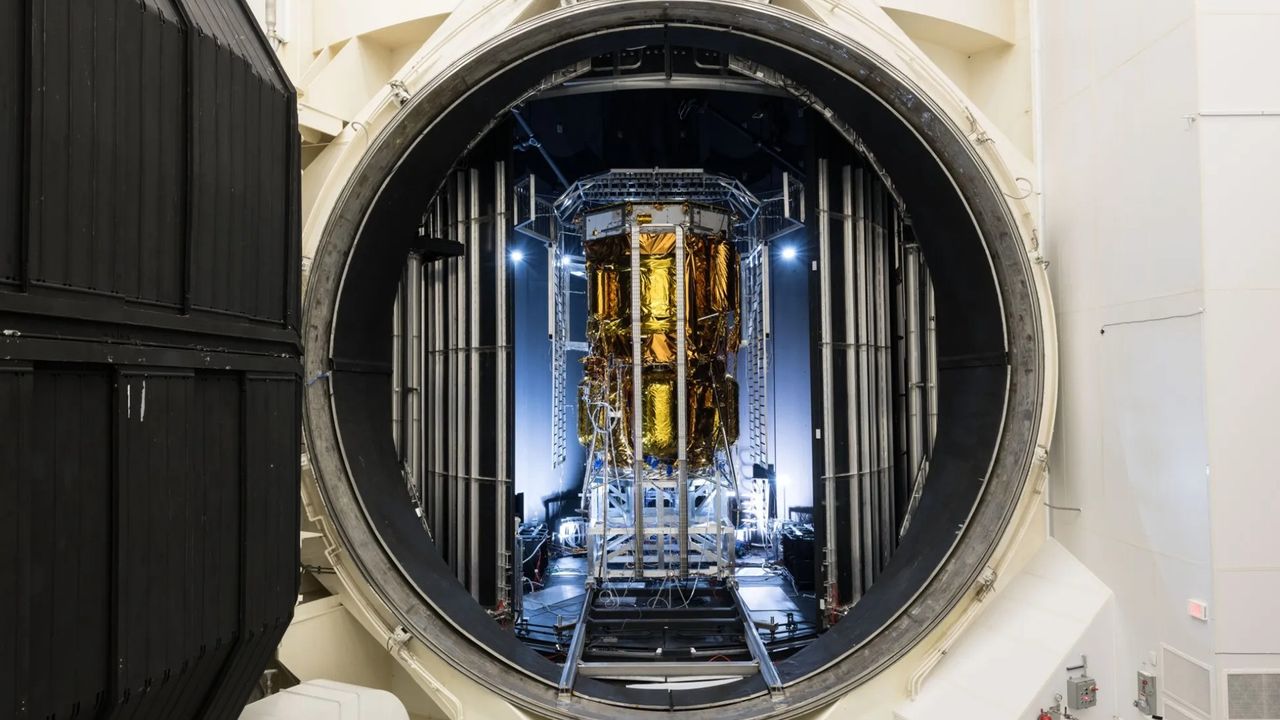
Preparing a moon lander for the harsh environment of the lunar surface is a complex but critical process. Companies like Blue Origin are advancing this technology, with their MK1 lander recently passing vacuum chamber tests—a key milestone in NASA's Artemis program to return astronauts to the Moon. This guide outlines the essential steps taken to get a moon lander ready for its mission, from initial design to final launch preparations.
What You Need
- Lander Design Blueprints – Full engineering and thermal protection system (TPS) specifications.
- Vacuum Chamber – Large enough to house the lander, simulating lunar space conditions.
- Thermal Vacuum Test Equipment – Heaters, cryogenic coolers, thermocouples, and data acquisition systems.
- Structural Test Rig – To simulate launch and landing stresses.
- Propulsion Test Stand – For engine firing tests in a vacuum.
- Avionics and Software Simulators – To test navigation, guidance, and control systems.
- Cleanroom Facilities – ISO Class 8 or better for assembly and integration.
- Qualified Engineering Team – Specialists in propulsion, structures, thermal, and systems engineering.
- NASA or Partner Certification Standards – Such as NASA-STD-8719.24 for payloads.
Step-by-Step Guide
Step 1: Design and Prototype the Lander
Begin with detailed computer-aided design (CAD) models of the lander, incorporating specifications for crew or cargo capacity, power systems (solar arrays, batteries), and landing gear. Build a functional prototype to validate the design against lunar thermal and vacuum conditions. For Blue Origin's MK1 lander, this involved using additive manufacturing for lightweight structures.
Step 2: Assemble the Lander in a Cleanroom
In a controlled cleanroom environment, integrate all subsystems—propulsion, avionics, communications, power, and thermal control. Strict contamination control is essential to prevent particulates that could damage sensitive optics or instruments. Every bolt, wire, and seal is documented.
Step 3: Conduct Structural and Load Testing
Mount the lander on a shaker table or structural test rig to simulate the vibrations of launch and the forces of landing. Apply loads up to 1.5 times expected maximum to ensure safety margins. Measure stress and strain with strain gauges to verify finite-element models.
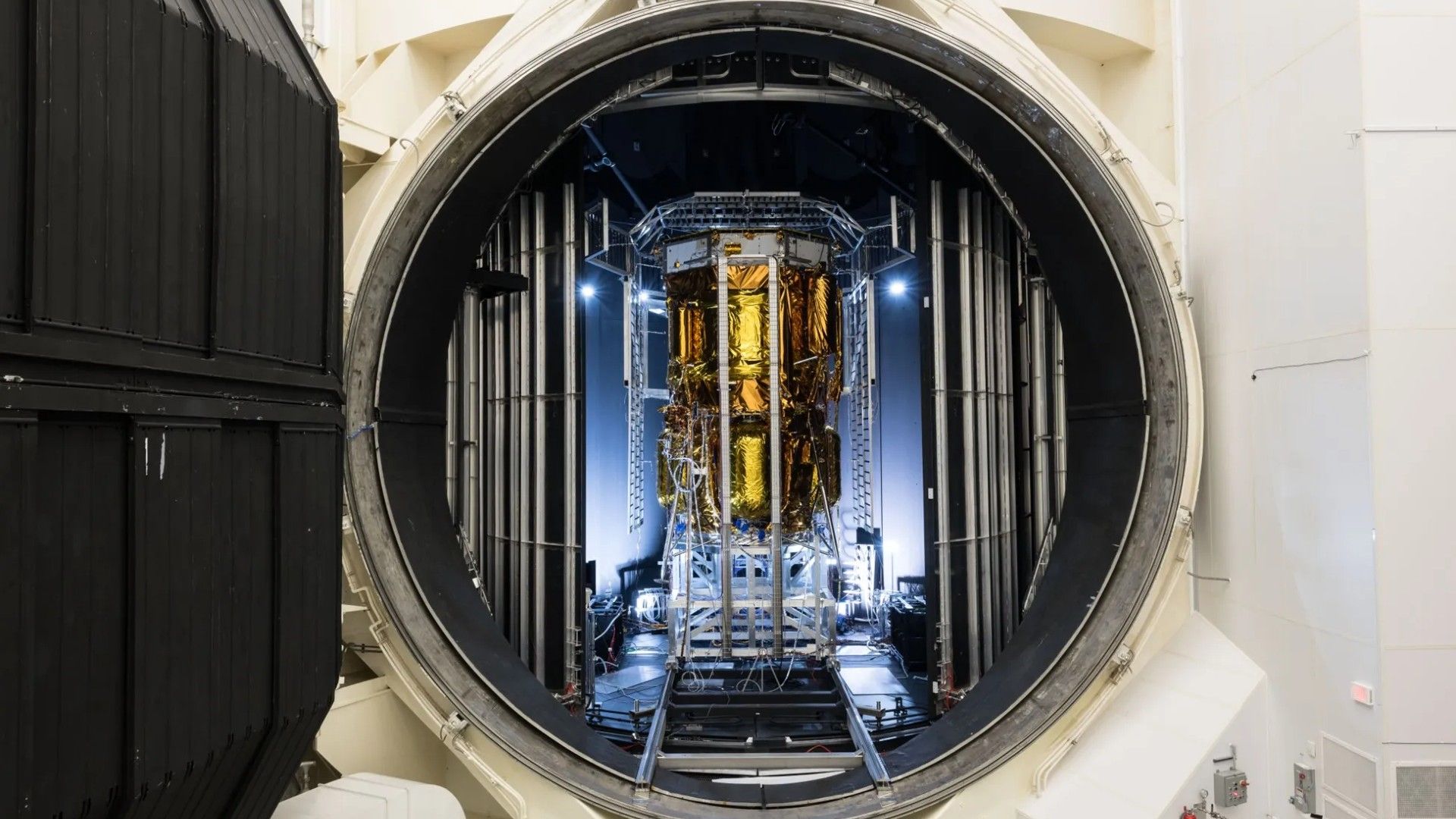
Step 4: Perform Vacuum Chamber Tests
This is the phase where Blue Origin's MK1 excelled. Place the lander inside a large vacuum chamber that is evacuated to 10^-6 torr or lower. Cycle temperatures from -150°C in shadow to +120°C in sunlight using infrared heaters and cryogenic panels. Monitor all subsystems for outgassing, thermal balance, and electronics performance. The lander must survive rapid temperature swings and vacuum without failure. Typically, multiple 24-hour cycles are run.
Step 5: Test Propulsion in Vacuum
Move the lander to a vertical test stand inside another vacuum chamber or altitude simulator. Fire the main engines and attitude control thrusters in vacuum environment to measure thrust, specific impulse, and plume behavior. For MK1, hypergolic propellants are used for reliable ignition.
Step 6: Validate Avionics and Software
With the lander in a simulated mission environment (high-fidelity simulators), run full software sequences: launch, trans-lunar injection, landing descent, and surface operations. Test communication with ground stations, navigation using star trackers and inertial measurement units, and hazard avoidance sensors. This step identifies software bugs before hardware-in-the-loop tests.
Step 7: Final Integration and Certification Review
After all tests pass, the lander undergoes final assembly: attaching solar arrays, installing scientific instruments or cargo, and closing panels. A formal review board (e.g., NASA's Flight Readiness Review) examines all test data, anomalies, and waivers. The lander is then cleared for launch transportation.
Tips for a Successful Moon Lander Preparation
- Start thermal testing early – It's the most common cause of redesign. Use thermal modeling alongside physical tests.
- Incorporate redundancy – On the lunar surface, no repair services exist. Duplicate critical systems like computers and thrusters.
- Document every anomaly – Even small deviations during vacuum chamber tests can reveal material or joint weaknesses. Blue Origin's MK1 team logged all outgassing events.
- Use heritage components when possible – Proven hardware reduces risk. But also be prepared to test new materials like high-temperature composites for the landing gear.
- Collaborate with NASA standards – Following NASA's design and test guidelines ensures compatibility with the Artemis architecture.
- Plan for extended surface stay – The lander must survive lunar night (14 Earth days) without power. Test battery and heater performance across long duration.
By methodically following these steps—from design through vacuum chamber verification—your moon lander can be ready to safely touch down and support the next era of lunar exploration.