Labyrinth 1.1 Elevates Reliability of End-to-End Encrypted Backups for Messenger
Introduction: Invisible Security That Works Even When You Switch Devices
Good security is at its best when you don’t have to think about it. Meta’s encrypted backup feature for Messenger, launched in 2023, set a new benchmark for end-to-end encryption (E2EE) at scale. It allows your entire message history to travel with you across devices—without any third party, including Meta, ever being able to read it. Now, with the release of Labyrinth 1.1, the underlying protocol gets a significant reliability boost, ensuring that even the most fragile message—sent just before a phone dies or during a long offline period—makes it safely into your encrypted backup.
What Is Labyrinth?
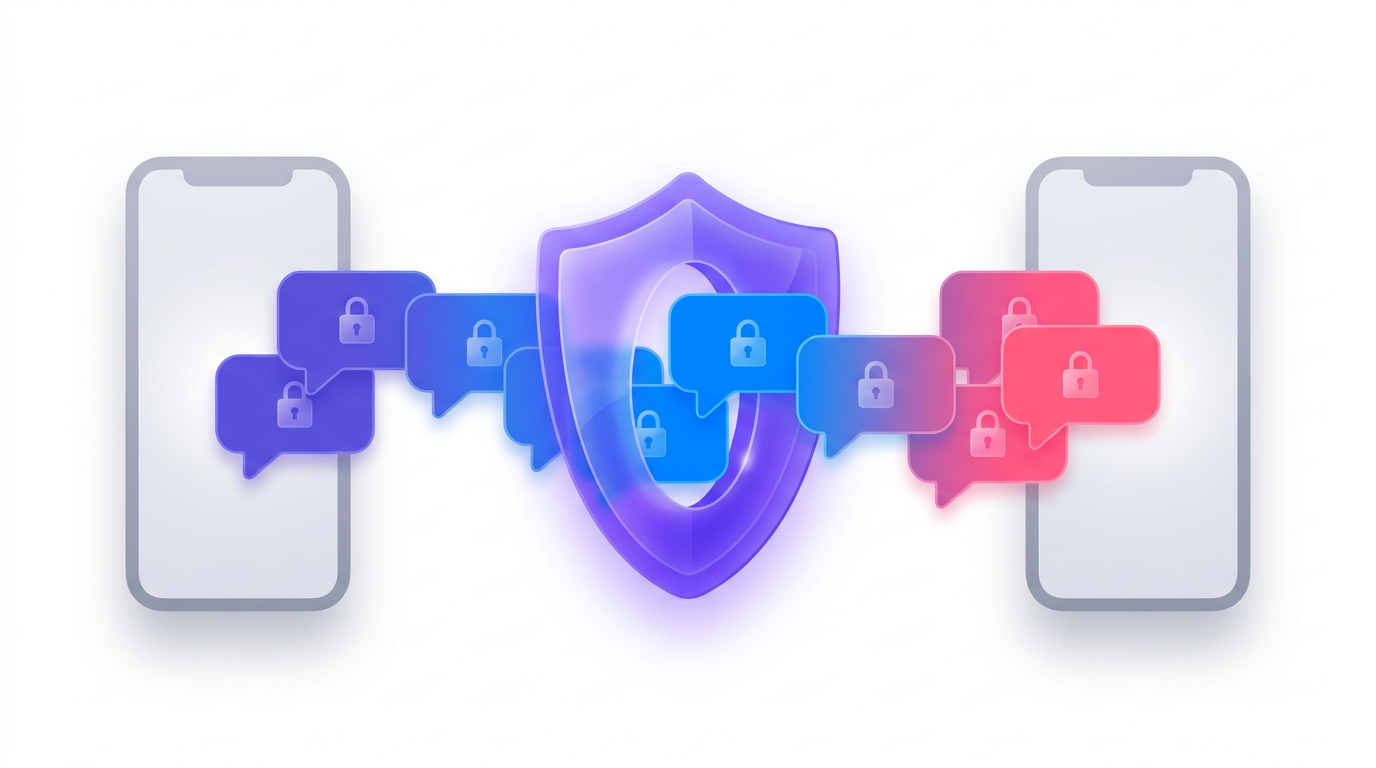
Labyrinth is the encrypted storage system and protocol that secures messages and history on Messenger. It enables end-to-end encrypted backups: your device creates an encrypted copy of your conversations that can only be unlocked by you. When you sign in on a new device, Labyrinth restores that backup, giving you seamless continuity. Until now, the protocol relied on your device being online to send messages into the backup as they arrived. That created a vulnerability: if you lost your phone, switched devices, or had a long gap between sign-ins, some messages could be left out.
A New Sub-Protocol for Uninterrupted Reliability
Labyrinth 1.1 introduces a new sub-protocol designed to eliminate those gaps. Instead of waiting for your device to come online after receiving a message, the sender now places the message directly into your encrypted backup at the moment it is sent. Think of it as dropping a sealed envelope into a locked box that only you can open. The envelope contains the message, wrapped with a unique encryption key. Only you and the person you’re talking to possess the keys needed to read it—not even Meta can peek inside.
How It Works
Each message is individually encrypted with a message encryption key that the sender generates. That key is then placed directly into the recipient’s encrypted backup on the server. This means that even if the recipient’s device is off, lost, or completely replaced, the message is already safely stored and waiting for the next time the recipient authenticates into their account. The backup itself remains encrypted end-to-end, so the server never learns anything about the message contents.
Real-World Benefits for Users
This change addresses three common scenarios where encrypted backups used to fall short:
- Loss of a device. If your phone breaks or gets stolen, your new device can restore the full message history—including messages sent after the old device went offline.
- Switching devices. When you upgrade to a new phone or tablet, Labyrinth 1.1 ensures that every message sent while the old device was still active is already in the backup. No more missing conversations.
- Long gaps between sign-ins. Even if you don’t sign into Messenger for weeks or months, any messages that arrived during that period are securely tucked into your backup. As soon as you sign in, they appear.
The result: users see more messages successfully backed up and more people restoring their full message history when they change devices.
Implementation and Observed Gains
Meta is rolling Labyrinth 1.1 out broadly to Messenger users. Initial metrics already show meaningful improvements in backup reliability. The protocol has been designed to work silently in the background—no user action required. The same level of end-to-end encryption that users expect remains intact; the only change is that the backup now receives messages proactively from senders rather than reactively from recipients’ devices.
Further Reading
For a deep dive into the technical details, Meta has published an updated white paper titled “The Labyrinth Encrypted Message Storage Protocol.” You can read the full paper by visiting the Engineering at Meta blog.
This post was originally published on the Engineering at Meta blog.