Australia Scales Back Green Hydrogen and Solar Ambitions Amid Budget Cuts
Australia has long been seen as a potential global leader in green hydrogen and renewable energy manufacturing. However, recent federal budget cuts have significantly scaled back funding for green hydrogen projects, as well as domestic production of solar panels and batteries. This shift has sparked debate about the country's commitment to a clean energy future and its ability to compete in emerging supply chains. Below, we explore the key facts and implications through a series of questions and answers.
What specifically was cut in the budget regarding green hydrogen and solar?
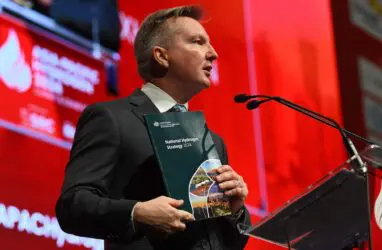
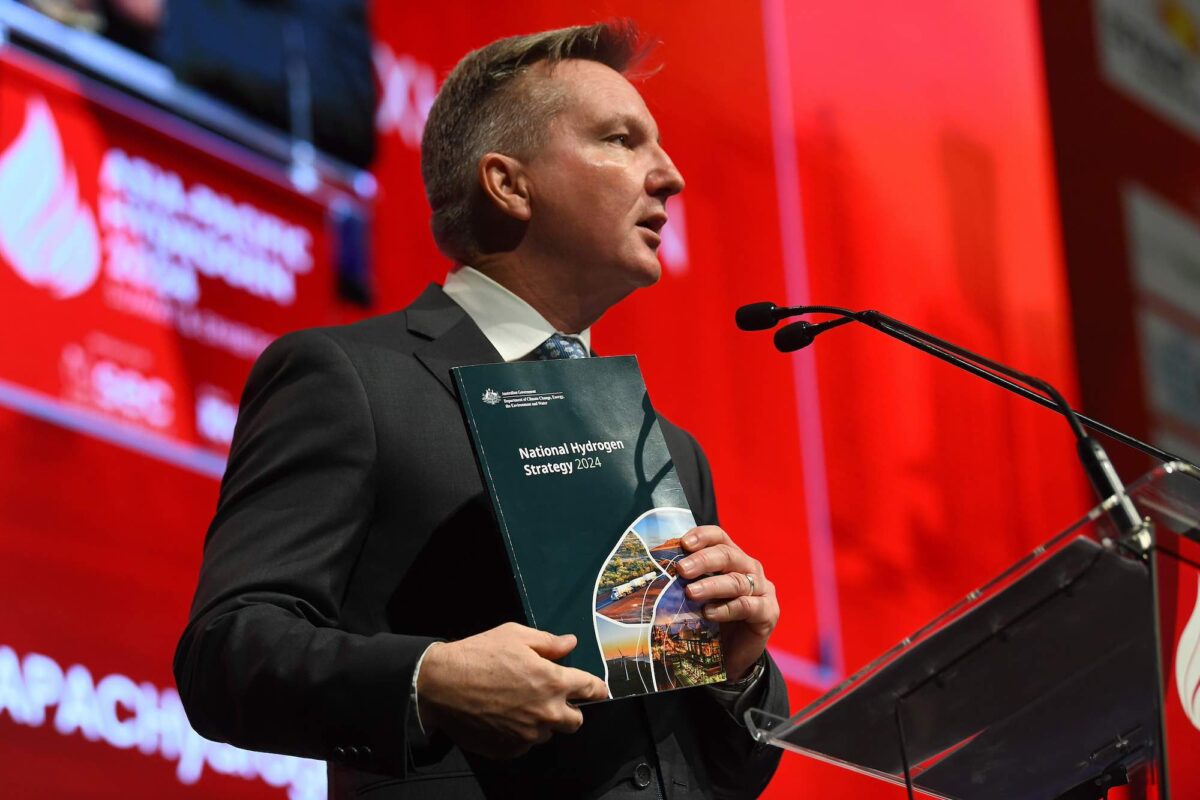
The Australian government reduced funding for several initiatives aimed at developing a domestic green hydrogen industry and securing a foothold in solar and battery manufacturing. This includes cuts to the Hydrogen Headstart program and grants for local solar panel and battery cell production. The cuts are part of a broader budget rebalancing, but they effectively dial back ambitions outlined in earlier strategies, such as the National Hydrogen Strategy and the Solar Sunshot program.
Why is this being called “Future Made Somewhere Else”?
The phrase “Future Made Somewhere Else” is a pointed critique of the budget decisions. It plays on the original Labor slogan “Future Made in Australia,” which highlighted the government's plan to boost local clean energy manufacturing. By slashing funding, critics argue that Australia is effectively outsourcing its renewable energy future to other countries—particularly in Asia—that are investing heavily in green hydrogen and solar supply chains.
How do these cuts affect Australia’s renewable energy goals?
The cuts risk slowing Australia’s transition to net-zero emissions. Green hydrogen is considered critical for decarbonizing hard-to-abate sectors like steelmaking and shipping. Without sufficient funding, pilot projects may stall, and Australia could miss the early market entry window. Similarly, reducing support for domestic solar and battery manufacturing means the country remains reliant on imports, mainly from China, which weakens energy sovereignty and supply chain resilience.
What was the original level of funding, and how much was cut?
Exact figures vary by program, but the so-called “Future Made in Australia” package initially promised billions of dollars in production credits and grants. The recent budget slashed a significant portion—reportedly in the hundreds of millions—for hydrogen and solar manufacturing. For example, the Hydrogen Headstart program was reduced from an estimated $2 billion to a much smaller allocation, while funding for solar panel and battery cell production was cut by over half in some budget lines.
What are the main arguments for and against these cuts?
Proponents of the cuts argue that the government must prioritize fiscal discipline, especially given global economic pressures. They contend that Australia should focus on cheap renewable energy generation rather than subsidizing uncompetitive local manufacturing. Opponents, including the Clean Energy Council and Australian Conservation Foundation, say the cuts are short-sighted. They point out that other nations, like the US and EU, are pouring subsidies into green hydrogen and solar supply chains, meaning Australia will miss out on future jobs and industry growth if it doesn’t act now.
What does this mean for Australian workers and businesses in the renewable sector?
The budget cuts have created uncertainty for companies that were planning investments in green hydrogen plants and solar factories. Several hydrogen project developers have already paused final investment decisions, and some solar manufacturing start-ups may struggle to secure private capital without government backing. For workers, this means fewer high-skilled green jobs in manufacturing, though some may shift to installation or maintenance roles. The broader concern is that Australia risks losing a generation of expertise and industrial capacity in advanced clean energy technologies.
Is there any remaining support for these sectors?
Yes, some funding remains, but it is significantly reduced. The government continues to support research and development through agencies like the Australian Renewable Energy Agency (ARENA), and there are still small grants for pilot projects. However, the scale of support no longer matches the ambitious targets set just a year ago. Industry groups are now urging a reversal in the next budget, warning that without sustained backing, Australia’s role in the global energy transition will be limited to exporting raw materials rather than finished products.