How to Ethically Integrate AI into Community Contests: Lessons from the Party Animals Controversy
Overview
The gaming industry has witnessed a surge in the use of artificial intelligence for content creation, but this trend comes with significant community sensitivity. In early 2025, the studio behind the popular casual brawler Party Animals, Recreate Games, found itself at the center of a firestorm after announcing an AI-focused video contest. The contest, which encouraged players to submit AI-generated videos, was met with widespread criticism from the community, who perceived it as devaluing handmade creative work. In response, Recreate Games issued a public apology, stating they were “not trying to dismiss handmade work or disrespect creators.”
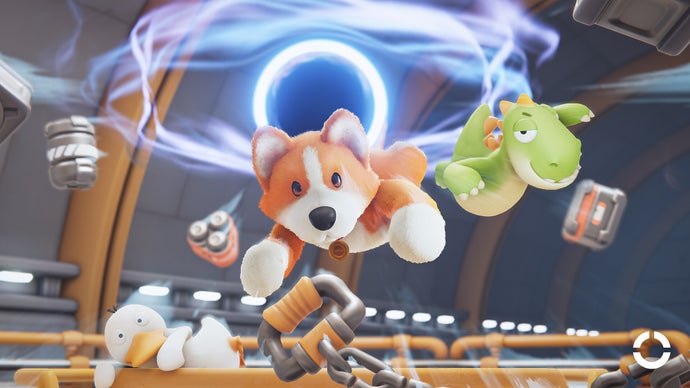
This incident serves as a valuable case study for game developers and community managers looking to incorporate AI into their engagement strategies without alienating their player base. This guide provides a step-by-step framework for planning and executing AI-related community contests that respect traditional creators and maintain trust. We will cover the prerequisites, detailed instructions, common pitfalls, and a summary of best practices informed by Recreate Games’ experience.
Prerequisites
Before diving into the planning process, ensure your team has the following:
- Understanding of your community’s values – Know the demographics and creator culture of your player base. Are they predominantly indie artists, hobbyists, or competitive players?
- Clear AI policy – Define what “AI-generated” means for your contest (e.g., using a specific model, human-AI collaboration, or fully automated content).
- Legal and ethical guidelines – Familiarize yourself with copyright laws, AI training data provenance, and platform terms of service.
- Internal alignment – Ensure marketing, legal, and development teams agree on the contest’s purpose and messaging.
- Communications toolkit – Prepare templates for announcements, FAQs, and potential crisis responses.
Step-by-Step Instructions
1. Define the Contest’s Purpose and Audience
Clearly articulate why you are introducing AI to a community contest. Is it to lower barriers for non-artists, showcase new technology, or drive innovation? Recreate Games’ misstep likely stemmed from an unclear purpose that appeared to replace human creativity. Write a mission statement that emphasizes complementing, not replacing, handmade work. Example: “This contest explores how AI can assist creators in generating ideas, while final submissions must be crafted by human hands.”
2. Set Transparent Guidelines
Publish rules that specify permissible AI use. For instance:
- AI can be used for brainstorming or generating base textures, but final assets must be manually refined.
- Disclose any AI tools used in the submission process.
- Ban fully automated, prompt-only entries if you want to preserve human creativity.
Document these rules on a dedicated page and link them from all contest announcements. Use an anchor link like #guidelines for easy reference.
3. Communicate the Value of Handmade Work
Throughout the announcement and contest materials, explicitly acknowledge the irreplaceable role of manual creation. Use language that celebrates both AI-assisted and traditional methods. Recreate Games’ apology acknowledged that their contest appeared to dismiss handmade work – avoid this by preemptively elevating artisan creators. Consider including a separate category for “Traditional Art” to emphasize balance.
4. Engage the Community Early with Feedback Mechanisms
Before launching, share a draft of the contest plan with a sample of your community (e.g., beta testers, creator program members). In the Party Animals case, the backlash erupted after public announcement – earlier consultation could have flagged concerns. Use surveys or discussion forums to gather input on the acceptable boundaries of AI use.
5. Pilot the Contest with a Small Group
Run a soft launch with a limited number of participants (e.g., 100-500) to test reactions. Monitor for negative sentiment and adjust rules or messaging accordingly. Document all feedback and changes in a public changelog to build trust.
6. Prepare a Crisis Communication Plan
Despite thorough preparation, controversy may still arise. Have a pre-approved response template that:
- Validates the community’s concerns (do not dismiss them).
- Explains the rationale without being defensive.
- Outlines specific changes to the contest or policies.
- Includes a timeline for updates.
Recreate Games’ apology, while necessary, came after the outcry. Proactive preparation reduces response time.
7. Launch with Clear, Positive Framing
When you go live, frame the AI element as an additional tool rather than a replacement. For example: “We’re excited to offer AI as one of many creative avenues – alongside paint, pixels, and code.” Avoid language like “AI-generated content” in isolation; pair it with “human creativity.”
8. Monitor Sentiment and Iterate
During and after the contest, use social listening tools to track mentions, sentiment, and keywords. Promptly address misunderstandings. Consider a post-contest survey to gather honest feedback. Use the data to refine future initiatives.
Common Mistakes
Based on the Recreate Games incident and similar cases, here are pitfalls to avoid:
- Assuming AI is universally welcomed – Many players view AI as a threat to artistic jobs and integrity. Underestimating this sentiment can lead to backlash.
- Poor timing or tone – Announcing an AI contest right after layoffs or cuts to creative teams can seem tone-deaf. Ensure your messaging is sensitive to broader industry context.
- Lack of transparency about AI criteria – Judging AI entries without clear metrics (e.g., originality, manual effort) invites accusations of unfairness or bias.
- Ignoring alternative submissions – If your contest only accepts AI-assisted work, you alienate traditional artists. Always offer a non-AI track.
- Not apologizing properly – A generic “we’re sorry you feel that way” exacerbates distrust. Acknowledge specific harms and commit to actionable changes.
Summary
The Party Animals AI contest controversy underscores a critical lesson: AI integration in community events must be handled with care, humility, and a deep respect for human creators. By following this guide – from defining purpose and setting transparent guidelines to engaging the community and preparing crisis responses – developers can harness AI’s potential without devaluing handmade work. Remember that your players are creators first; your role is to empower, not replace. With thoughtful planning, you can turn a potential flashpoint into a bridge between technology and tradition.