Home Battery Boom Accelerates: 400,000 Installed, Matching Grid-Scale Storage
Breaking: Australia Surpasses 400,000 Home Battery Installations
Australia has hit a major milestone in residential energy storage, with the number of home battery installations surpassing 400,000 units. The milestone represents a surge in uptake despite recent changes to solar rebate schemes.
Minister for Energy Chris Bowen hailed the achievement as a “remarkable milestone” in a statement Tuesday, noting that the combined capacity of these household batteries now rivals the total storage added from grid-scale batteries over the previous year.
“This demonstrates the growing appetite among Australians for energy independence and lower power bills,” Bowen said. “Home batteries are no longer a niche product—they are becoming a standard part of the modern home.”
Background: Steady Growth Amid Policy Shifts
Home battery uptake has accelerated over the past three years, driven by falling battery costs, rising electricity prices, and the increasing installation of rooftop solar. According to industry data, more than 100,000 home batteries were installed in the last 12 months alone.
The milestone comes even after several state governments adjusted solar feed-in tariffs and rebate programs. Analysts say the underlying economics of home storage remain strong, especially as households look to store excess solar energy for evening use.
“The policy changes did cause a temporary dip in some markets, but the long-term trend is clearly upward,” said Dr. Sarah Lin, energy storage analyst at the Clean Energy Council. “Australians are voting with their wallets.”
What This Means: Grid Resilience and Consumer Savings
The rapid expansion of home battery capacity is having a significant impact on the national electricity grid. By storing solar energy locally, households reduce demand on the grid during peak times, helping to lower wholesale electricity prices and reduce the need for new fossil fuel peaker plants.
For individual consumers, the math is increasingly favorable. With battery prices falling below $1,000 per kilowatt-hour installed in many areas, payback periods have shrunk to under seven years in some regions. Government interest-free loans and rebates in states like Victoria and New South Wales are further driving adoption.
“Every home battery is a small power plant that can be called upon during network emergencies,” said Mark Dooley, CEO of battery retailer EnergyVault. “This distributed storage is worth its weight in gold during heatwaves and storm events.”
Industry Response and Future Outlook
Battery manufacturers are ramping up production to meet demand. Major suppliers including Tesla, LG, and Sonnen have all reported record sales to the Australian market. The trend is expected to continue as households increasingly pair batteries with new solar installations.
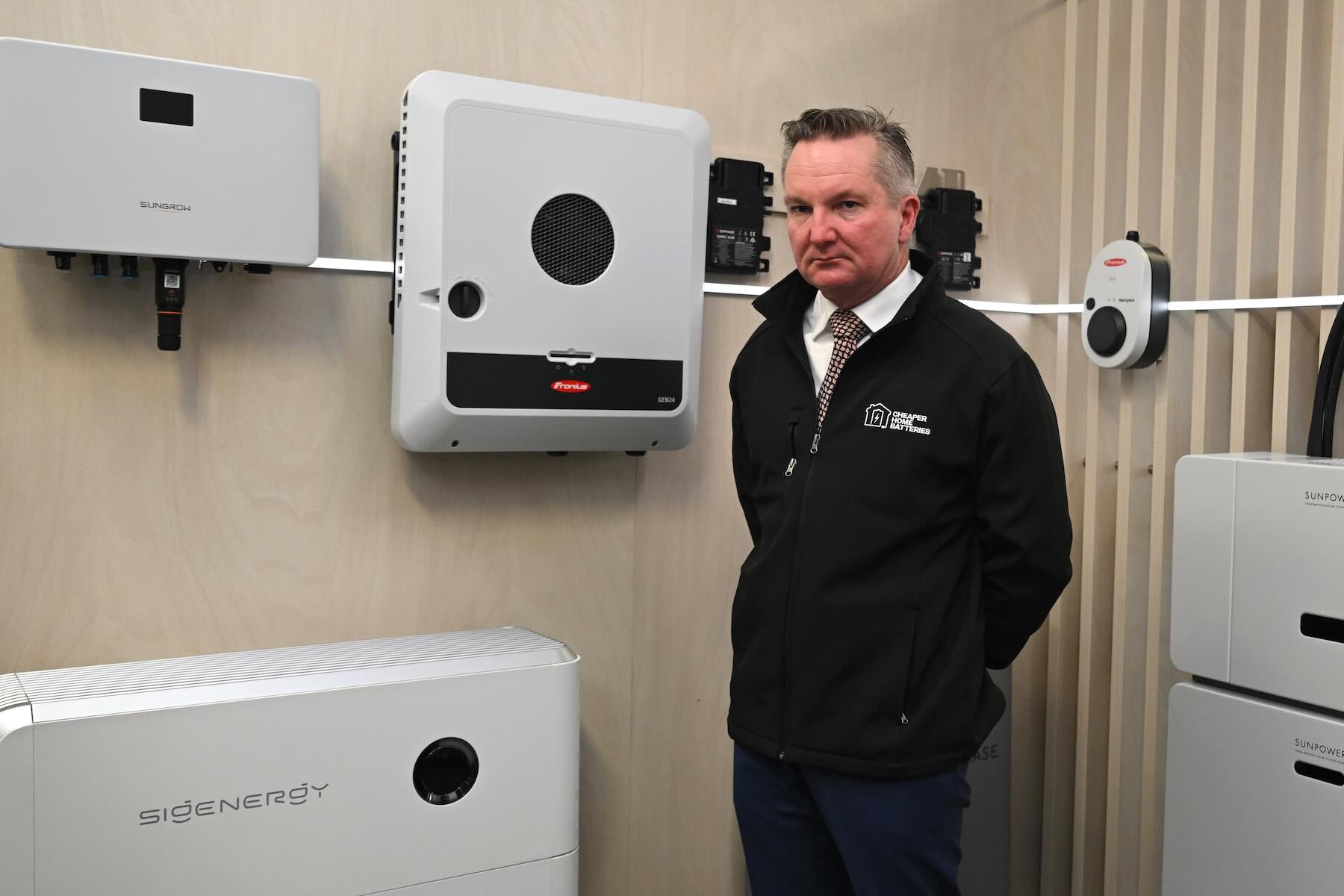
“We’re seeing interest from commercial and industrial sectors too, but residential is leading the charge,” Bowen added. “The next milestone—half a million—is likely just 12 to 18 months away.”
The 400,000 figure includes both new installations and retrofits on existing solar systems. According to the Clean Energy Regulator, approximately one in five new solar system installations now includes a battery, up from one in ten two years ago.
Technical Context: Matching Grid-Scale Capacity
While individual home batteries are small (typically 5-15 kWh), their collective capacity is substantial. Australia’s 400,000 home batteries now provide an estimated 4 gigawatt-hours of storage—roughly equivalent to the total capacity from major grid-scale battery projects commissioned in the last 12 months.
This distributed storage is more flexible and resilient, though it cannot respond to wholesale market signals as effectively as large-scale batteries. Still, virtual power plant programs are increasingly aggregating home batteries to provide grid services and trade in the National Electricity Market.
“The distinction between residential and grid-scale batteries is blurring,” said Lin. “When aggregated, home batteries can compete directly with big projects.”
Challenges Ahead
Despite the surge, challenges remain. Supply chain constraints for lithium-ion cells have caused some delays, and safety concerns around battery fires are prompting stricter installation standards. The government is also working on a national battery recycling scheme to handle end-of-life products.
Nevertheless, the trajectory is clear: home batteries are becoming a mainstream technology, and the 400,000 milestone is just the beginning.