5 Essential Terraform Enhancements for Better Cost Control and Governance
Over the past few months, HashiCorp has rolled out a series of updates to HCP Terraform and Terraform Enterprise aimed at eliminating infrastructure blind spots and bolstering governance. These new features give organizations deeper visibility into resource consumption, simplify state management across projects, and enhance security testing. Whether you're a platform engineer or a finance leader, these five enhancements are worth knowing about. Dive into billable resource analytics, project-level state sharing, module testing with dynamic credentials, project-level notifications, and registry tagging.
1. Billable Resource Analytics (GA)
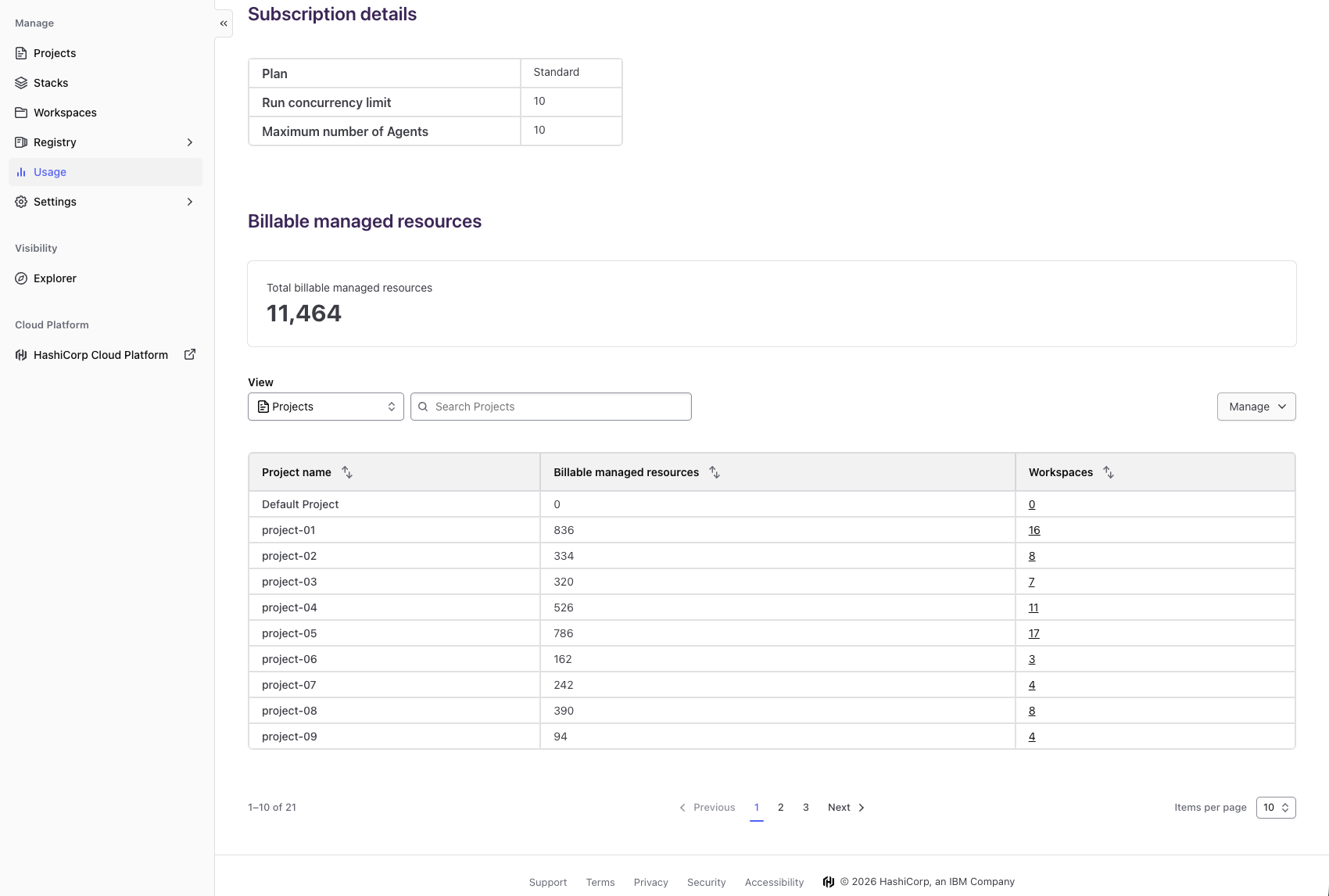
Organizations using resources under management (RUM)-based billing previously had limited visibility into where infrastructure costs originated. They could only see total billable managed resources at the organization level, making it difficult to estimate costs or identify consumption patterns. The new billable resource analytics feature provides a self-service view on the usage page, breaking down costs by project and workspace. This granular insight enables proactive spending management, waste reduction, and data-driven investment decisions. Team leads can now right-size resources and align spending with business priorities, turning cost tracking from a reactive exercise into a strategic advantage.
2. Project-Level Remote State Sharing (GA)
Platform teams managing large-scale infrastructure often faced a trade-off between sharing state data for collaboration and maintaining security boundaries. Previously, remote state sharing was only available at the organization level, leading to either overly broad access or costly isolation. With project-level remote state sharing now generally available, teams can configure state access on a per-project basis. This allows secure sharing within specific projects while keeping other data restricted. The result is improved collaboration across workspaces without sacrificing governance—enabling faster development cycles and tighter control over sensitive state information.
3. Module Testing for Dynamic Credentials (GA)
Testing Terraform modules that rely on dynamic credentials—such as short-lived tokens from Vault or cloud providers—has historically been cumbersome and risky. Engineers either had to mock credentials (reducing test validity) or expose real secrets in test environments. The new module testing capability for dynamic credentials allows you to run tests with real credential providers without compromising security. This feature integrates into existing test frameworks and ensures modules work correctly in production-like conditions. It boosts confidence in module reliability and accelerates the path from development to deployment while maintaining strict security practices.
4. Project-Level Notifications (GA)
Notification overload is a common pain point for platform teams. With organization-level notifications, every run event from any workspace triggers alerts, causing noise and alert fatigue. Project-level notifications solve this by letting you configure alerts for specific projects. You can now receive notifications only for runs in workspaces that matter to your team—such as production or critical projects—while ignoring less important ones. This targeted approach reduces distraction, speeds up response times to issues, and allows each team to focus on what’s relevant. It’s a simple change that dramatically improves operational efficiency.
5. Registry Tagging (Beta)
Managing a growing catalog of Terraform modules and providers in your private registry can become chaotic without proper organization. The new registry tagging capability (in beta) introduces flexible metadata tagging for published modules. Tags such as “networking,” “production-ready,” or “deprecated” allow teams to quickly filter and find the right module for any use case. This improves discoverability, standardizes categorization, and helps enforce governance by making it clear which modules are approved for use. As the beta evolves, expect deeper integration with access controls and automated workflows to further streamline module lifecycle management.
These five enhancements mark a significant step forward in Terraform’s ability to help organizations control costs, improve collaboration, and strengthen security. By leveraging billable resource analytics, project-level state sharing, dynamic credential testing, targeted notifications, and registry tagging, teams can eliminate blind spots and operate with greater confidence. Whether you’re already on HCP Terraform or planning an upgrade, now is the time to explore these capabilities and put them to work for your infrastructure lifecycle.