6 Reasons to Build Your Own ESP32 ePaper Fortune Teller
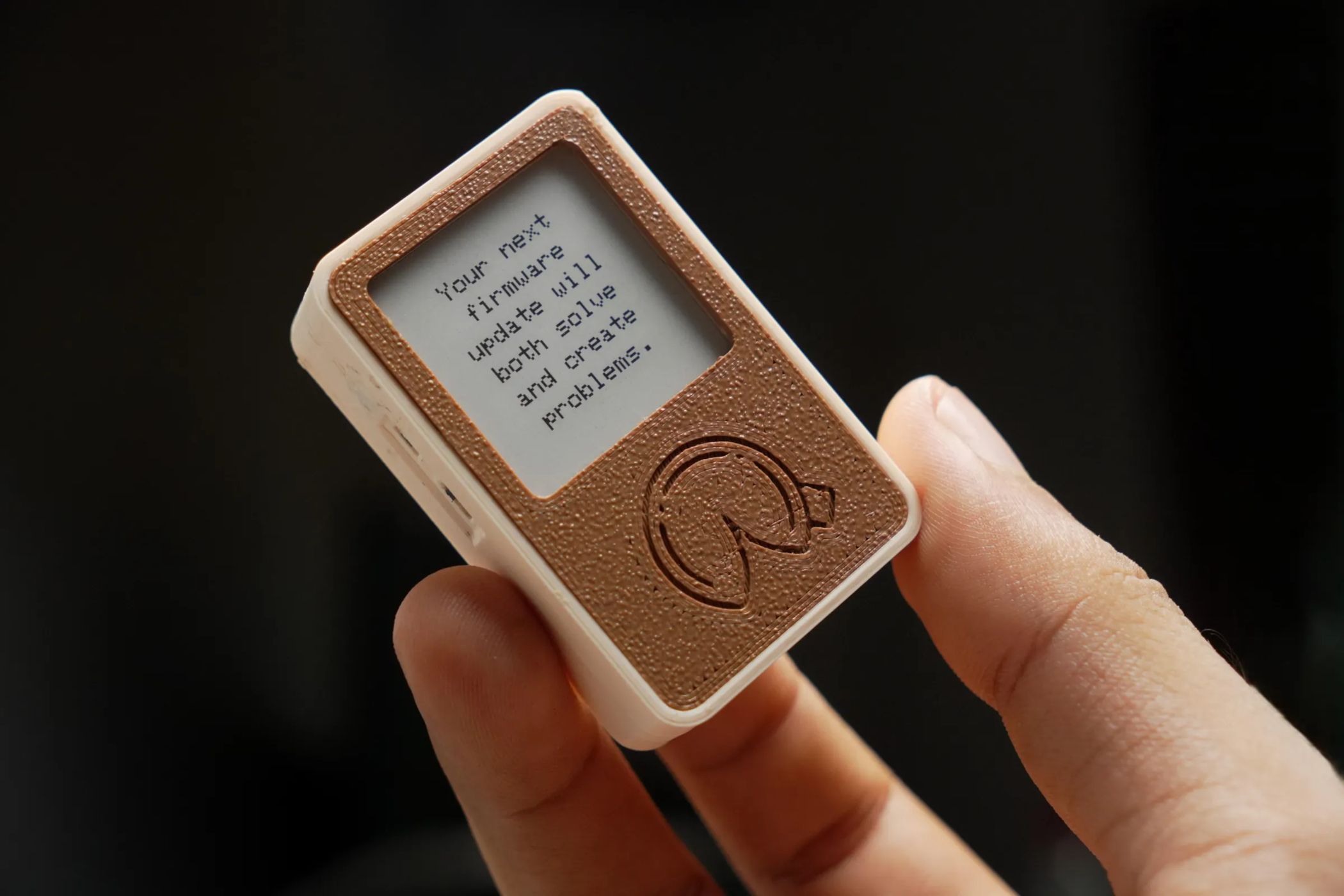
Are you looking for a fun, beginner-friendly electronics project that leaves you with something truly unique to show off? Meet the ESP32 ePaper fortune teller—a tiny, offline device packed with hundreds of whimsical predictions. It combines the power of the ESP32 microcontroller with the crisp, low-power ePaper display to create a gadget that's as useful as it is entertaining. In this listicle, we'll explore six compelling reasons why this project deserves a spot on your workbench. From its simplicity to its surprising hidden features, you'll see why building your own digital fortune teller is a rewarding experience for makers of any skill level.
1. A Perfect Introduction to ESP32 and ePaper
If you've been curious about working with ESP32 microcontrollers or ePaper displays, this project is an ideal starting point. The ESP32 is a powerful, low-cost chip with built-in Wi-Fi and Bluetooth, making it a favorite among IoT enthusiasts. ePaper displays, on the other hand, offer exceptional readability under direct sunlight and consume power only when the image changes. By combining the two in a fortune teller, you'll learn how to interface a display with a microcontroller, manage battery life, and write code that cycles through stored messages. The project is intentionally simple—no complex wiring or advanced programming required—so you can focus on understanding the basics without getting overwhelmed. Once you finish, you'll have the confidence to tackle more ambitious ESP32 projects.
2. Works Completely Offline – No Internet Needed
Unlike many modern gadgets that rely on a constant internet connection, this fortune teller is entirely self-contained. All the fortunes are stored directly on the device’s memory, meaning you can use it anywhere—even on a camping trip or during a power outage. This offline capability makes it a reliable companion for parties, family gatherings, or quiet solo reflection. The ESP32 can operate for weeks on a single battery charge because the ePaper display only consumes power when refreshing, and the microcontroller enters deep sleep between uses. You don't have to worry about Wi-Fi passwords, server outages, or data fees. It's a refreshing reminder that not every smart device needs to be connected to the cloud to delight and entertain.
3. A Huge Library of Pre-Loaded Fortunes
The device comes pre-loaded with hundreds of fortunes, carefully curated to cover a wide range of themes—from love and career to humor and adventure. You can scroll through them randomly or have the device pick one at the press of a button. Because the library is stored locally, you can also modify it easily using the Arduino IDE or ESP-IDF. Add your own wise sayings, inside jokes, or motivational quotes to personalize the experience. The sheer variety ensures that no two shakes of the fortune teller feel the same, making it a conversation starter at any social event. Whether you believe in fate or just enjoy a good laugh, the fortune library keeps the device fresh and engaging over time.
4. Not Just a Novelty – Useful Extra Features
Beyond fortune telling, the same hardware can be repurposed for practical functions. With a few tweaks to the code, the ePaper display can show the current time, date, weather forecast (if you add a sensor or fetch data before going offline), or even serve as a digital note board. Some builders integrate a simple thermometer or a countdown timer for events. This dual-purpose nature elevates the project from a one-trick pony to a versatile desktop companion. You can switch modes with a button press, turning your fortune teller into a minimalist clock or a to-do list display. It's a great way to get extra value from your components while exploring the flexibility of the ESP32 platform.
5. Quick and Simple to Assemble
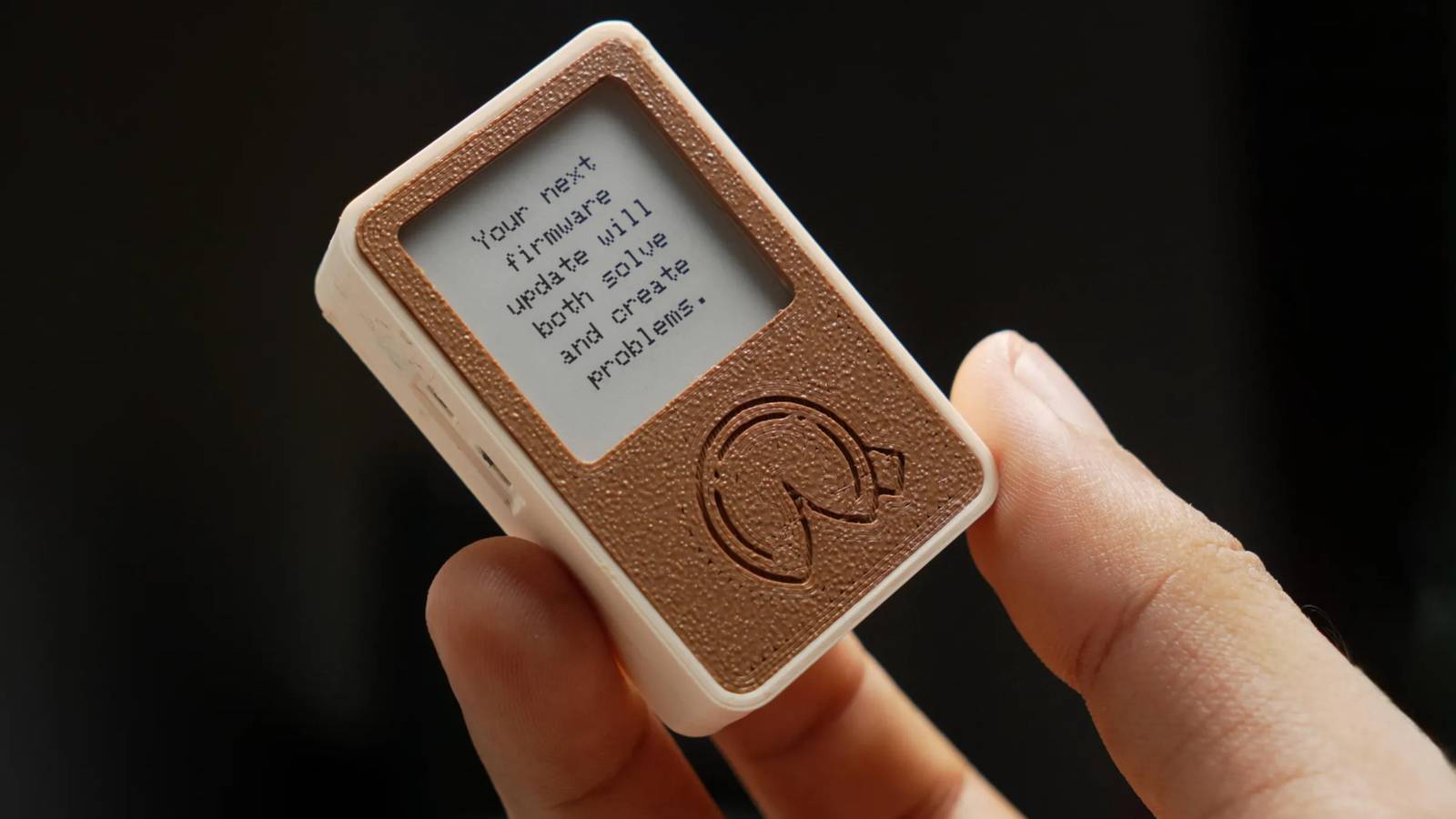
One of the biggest barriers to entry in electronics is the fear of a complicated build process. This project keeps things wonderfully straightforward. You'll need an ESP32 development board, an ePaper display (typically 2.13 or 2.9 inches), a small button, a battery holder, and a 3D-printed (or cardboard) enclosure. No soldering is required if you use jumper wires and a breadboard—though a soldered prototype board makes it more compact. The code is openly available on GitHub with step-by-step comments, and the wiring diagram is easy to follow. In under an hour, you can have a working prototype. The simplicity makes it an excellent weekend project for beginners, or a quick win for experienced makers looking for a relaxing build.
6. Endless Customization Possibilities
Once you have the basic fortune teller running, the real fun begins: making it your own. You can change the font type, add icons or small images to the display, alter the colors (if using a three‑color ePaper), or even reprogram the button to do different things. Want a mood ring effect that changes display background based on temperature? Go for it. You can also expand the hardware by adding sensors for light, sound, or motion—making the fortune teller react to its environment. The active maker community around ESP32 ensures you'll find inspiration and support for any modification you imagine. This adaptability means the project grows with your skills, providing new challenges and rewards over time.
Conclusion
Building your own ESP32 ePaper fortune teller is more than just a fun afternoon activity—it's a gateway into the world of microcontroller projects. You'll gain hands-on experience with two powerful technologies, create a gadget that works offline and amuses friends, and open the door to countless customization options. Whether you leave it as a simple fortune dispenser or evolve it into a full-fledged smart display, you'll have a unique piece that reflects your creativity. So grab an ESP32, an ePaper screen, and start building your own digital soothsayer today. The future—and your next fortune—awaits.