10 Key Insights into China’s Tougher Fossil Fuel Policies
On April 22—Earth Day—Chinese leaders released a landmark policy document demanding stricter controls on fossil fuel use and stronger oversight of major emitters. This move signals Beijing’s ongoing commitment to climate action while bridging its recent 15th five-year plan with upcoming sectoral strategies. Below, we break down the 10 most important takeaways from this policy shift, from the role of non-binding “guiding opinions” to new binding inspection rules that could reshape how China pursues its carbon peak.
1. Earth Day Document Sends a Strong Climate Signal
The policy release on April 22—deliberately timed for Earth Day—shows that China’s leadership wants to highlight climate action as a national priority. Experts see it as a clear message that Beijing intends to follow through on its carbon goals. Although the document is not legally binding, it comes from the two highest political bodies, giving it enormous weight. The timing also links the announcement to global environmental awareness, reinforcing China’s role as a climate leader. This move is expected to guide the content of more detailed five-year plans for energy, industry, and transport expected later this year and into 2026.
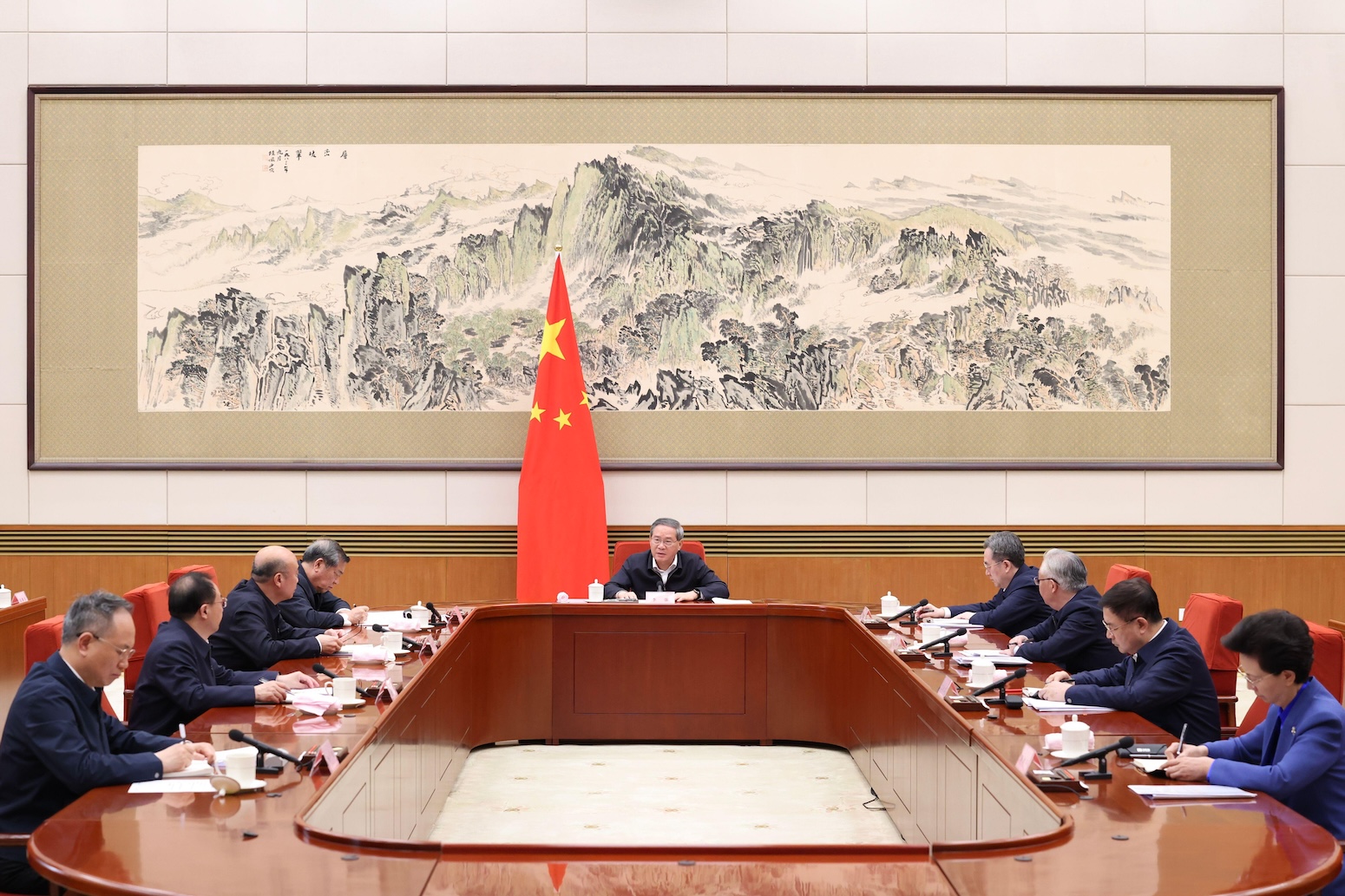
2. What Are ‘Guiding Opinions’ and Why They Matter
In China’s political system, documents called “guiding opinions” (意见) lay out broad principles and policy directions for lower levels of government. They are officially defined as “presentation of views and proposed solutions regarding important issues.” While they are non-binding, they carry significant authority because they come from top leadership. Professor Yuan Jiahai of North China Electric Power University notes that such documents have a “long-term, directional, and systematic impact.” For example, a 2021 opinion on green development spurred rapid acceleration in China’s green economy. This latest opinion is expected to do the same for fossil fuel control and decarbonization.
3. Top Political Bodies Endorse the New Policy
The document bears the stamp of the Chinese Communist Party Central Committee and the State Council—the two highest bodies in China’s political system. This endorsement gives the opinion a sense of authority far beyond typical policy papers. It signals that the leadership is unified in its push for stricter controls on fossil fuels and emissions. Such high-level backing often translates into fast implementation, as local governments treat the guidelines as orders. The combined weight of these two institutions also makes it likely that the opinion will shape the binding rules and evaluations that follow.
4. First Document to Link Decarbonisation with Energy Security and Industry
According to one expert cited by Carbon Brief, this is the first high-level document to explicitly connect decarbonization with energy security and industrial development. This is a strategic shift: instead of treating climate action as a separate goal, the policy integrates it with core economic priorities. For China, energy security—especially reducing reliance on imported fossil fuels—is a critical concern. By linking carbon reduction to industrial modernization, the document aims to create win-win outcomes. This holistic approach could accelerate investments in renewable energy, grid upgrades, and green manufacturing while phasing down coal and oil imports.
5. Non-Binding but Highly Influential
Although “guiding opinions” are not legally binding, they are far from toothless. They provide officials at lower levels with discretion in implementation but also set clear expectations. Professor Christoph Nedopil from the University of Queensland says that following a 2021 opinion on green development, “China’s green growth accelerated significantly.” The same can be expected here. The document creates a framework for provinces and cities to design their own concrete policies. In practice, local leaders often race to align with central guidance to gain favor, so the opinion can drive rapid change even without formal enforcement.
6. Fossil Fuel Consumption Faces Tighter Control
The new opinion explicitly calls for “strict control” over fossil fuel consumption. It aims to cap coal use and push for a peak in oil consumption, while scaling up natural gas only as a transitional fuel. The document also demands stronger oversight of heavy-emitting industries such as steel, cement, and petrochemicals. This means companies will face more frequent inspections and stricter emission limits. While the opinion does not specify numerical targets, it lays the groundwork for the binding five-year plans that will follow. The message is clear: China’s era of unfettered fossil fuel growth is ending.
7. Binding Follow-Up Strengthens Environmental Inspections
One day after the opinion was released, on April 23, Beijing issued a binding document that tightens environmental inspections for provincial governments. This second document is legally enforceable and creates new metrics for evaluating local officials’ performance. Key indicators now include total carbon dioxide emissions and coal consumption, not just air quality or energy intensity. This change ensures that local leaders are held accountable for real reductions in fossil fuel use. It also aligns incentives: promotions will increasingly depend on meeting climate targets. This is a major step in making climate policy stick at the local level.
8. New Metrics for Local Governments: Total Emissions and Coal Use
The binding document introduces novel evaluation criteria: total emissions and absolute coal consumption. Previously, China’s climate metrics focused on carbon intensity (emissions per unit of GDP), which allowed emissions to grow as long as the economy grew faster. Switching to absolute caps on coal use and total emissions marks a significant tightening. These metrics will be used to assess the performance of provincial governors and party secretaries. The shift pushes local governments to prioritize real decarbonization, not just efficiency gains. It also makes it harder for high-emitting provinces to ignore central directives.
9. Implications for China’s Carbon Peak Timeline
China has pledged to peak carbon dioxide emissions by 2030, and this policy package strengthens that commitment. By linking total emissions and coal consumption to official evaluations, the government creates a mechanism to enforce the peak. The opinion also encourages faster deployment of renewable energy and energy storage. Some analysts believe this could bring the peak forward, possibly before 2030. However, much depends on how quickly local governments translate the guidelines into action. The next few years will be critical as China finalizes its 16th five-year plan for 2026–2030, which must reflect these new ambitions.
10. Energy Security and Industrial Development—A Strategic Shift
Perhaps the most notable aspect of the new policy is its integration of decarbonization with energy security. China is the world’s largest oil importer and a major coal producer; reducing fossil fuel use cuts import bills and improves energy independence. At the same time, the document promotes industrial development in clean technologies like solar, wind, EVs, and green hydrogen. This creates a dual benefit: lowering emissions while building new engines of economic growth. Experts view this as a strategic realignment that positions China to lead the global green economy. The policy is as much about economics as it is about the environment.
In summary, China’s latest policy documents mark a turning point in the country’s climate governance. The non-binding opinion sets ambitious direction, while the binding inspection rules create teeth. By linking fossil fuel control with energy security and industrial policy, Beijing is charting a comprehensive path to a low-carbon future. The world will be watching to see how these guiding opinions translate into real-world reductions in emissions.