AirTag Stalking Lawsuits: 30+ Cases Filed After Class Action Denial
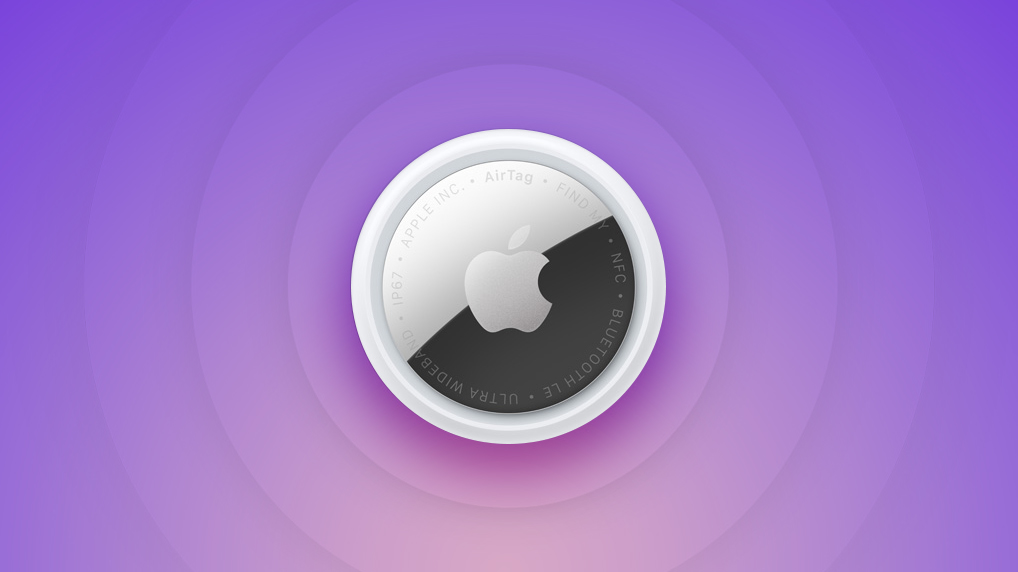
Apple is currently facing over 30 individual lawsuits from people who claim they were stalked using AirTags. These filings come after a 2022 class action lawsuit (Hughes v. Apple) failed to achieve class certification. Each case highlights alleged shortcomings in Apple's anti-stalking measures and the company's awareness of potential misuse. Below, we explore key questions about these legal actions, Apple's safeguards, and the broader implications.
Why Are There Now Over 30 Separate Lawsuits Against Apple Over AirTag Stalking?
The surge of individual lawsuits follows the denial of class certification in the 2022 Hughes v. Apple case. The judge ruled that differences in state laws and the highly personal nature of each stalking incident made a class action inappropriate. Plaintiffs were given 28 days to file their own claims, leading to dozens of separate filings. Each lawsuit includes a detailed personal story of how the plaintiff was tracked using an AirTag—some involving coercion, control, or even murder. By filing individually, plaintiffs can seek remedies specific to their circumstances, including compensatory and punitive damages. Apple now faces a wave of cases that collectively argue the company knew its devices could be weaponized yet failed to implement adequate protections.
What Are the Core Allegations Against Apple in These Lawsuits?
The lawsuits accuse Apple of releasing the AirTag while knowing it could be "purchased and used by abusive, dangerous individuals, to track, coerce, control, and otherwise endanger innocent victims." They claim Apple was aware that safeguards were insufficient from launch in 2021. Internal documents from the original lawsuit reportedly show Apple acknowledged its measures would only "deter as opposed to prevent malicious use." Apple also admitted it "should have consulted domestic abuse organizations on the unwanted tracking policy before shipping." The filings reference numerous news reports of stalking, including cases that ended in murder, and assert that AirTags "revolutionized the scope, breadth, and ease of location-based stalking." The plaintiffs argue Apple prioritized convenience over safety.
How Many Stalking Incidents Have Been Reported to Apple, and What Do Internal Documents Reveal?
According to data cited in the lawsuits, Apple received more than 40,000 stalking reports between April 2021 and April 2024. Internal Apple documents—obtained from the original class action—show the company knew its anti-stalking features would only "deter as opposed to prevent" misuse. Apple also acknowledged its failure to consult domestic abuse organizations before launch. This internal awareness is central to the plaintiffs' argument that Apple acted recklessly. The large volume of reports indicates that despite updates, the problem has persisted. Critics say the numbers likely underrepresent the true scope, as many victims may not know they were tracked or may not report it.
What Anti-Stalking Safeguards Has Apple Implemented, and Why Are Plaintiffs Still Not Satisfied?
Apple has introduced several measures: cross-platform notifications that alert users if an unknown AirTag is traveling with them, sound alerts from the AirTag itself, and integration with smartphone networks. However, plaintiffs argue these protections are inadequate. A key criticism is the 4-to-8-hour delay before a notification is sent—originally it was 72 hours. By the time a victim is alerted, the stalker may have already obtained sensitive location data. Additionally, the audio alert can be easily disabled by removing the speaker. Third-party sellers on sites like eBay even offer modified "silent AirTags." The lawsuits claim these flaws make it too easy for abusers to evade detection, leaving victims vulnerable. They want Apple to implement real-time alerts and make the speaker tamper-proof.

How Does the Find My Network Amplify the Stalking Risk?
The AirTag relies on Apple's Find My network, which uses hundreds of millions of nearby Apple devices (iPhones, iPads, Macs) to relay an AirTag's location to its owner. This network is extremely effective for finding lost items, but it also makes the AirTag a powerful stalking tool. Unlike many Bluetooth trackers that require a direct connection, the Find My network allows an AirTag to be tracked almost anywhere, as long as any Apple device is nearby. This global, crowd-sourced location system gives stalkers near-real-time updates without needing physical proximity. Plaintiffs argue Apple designed this network without sufficient privacy safeguards, enabling abuse on a scale not seen with other trackers.
What Are the Plaintiffs Demanding From Apple?
Each lawsuit seeks compensatory damages for the emotional and physical harm caused by being stalked, plus punitive damages to punish Apple's alleged negligence. Attorneys' fees are also requested. Beyond monetary compensation, the plaintiffs want a court order preventing Apple from continuing what they call "unlawful business practices"—specifically, the sale and promotion of AirTags without adequate safety features. Some filings ask for mandatory changes such as real-time alerts, stronger tamper resistance, and better integration with domestic abuse resources. The individual nature of each claim means damages could vary widely. If successful, these cases could pressure Apple to redesign the AirTag's anti-stalking mechanisms.