Japanese Motorcycle Giants Rev Up for an Electric Future
For years, the electric motorcycle buzz has been dominated by nimble startups and legacy offshoots. Yet Japan's iconic motorcycle brands—Honda, Yamaha, Kawasaki, and Suzuki—have been quietly engineering their own electrification revolution. While high-performance electric superbikes aren't flooding dealerships just yet, these leaders are methodically building robust portfolios, opening dedicated factories, and crafting long-term roadmaps. This Q&A dives into their strategies, timelines, and the subtle but powerful shift that's positioning them as major players in the electric two-wheeler race.
What electric motorcycle models have Honda, Yamaha, Kawasaki, and Suzuki already released?
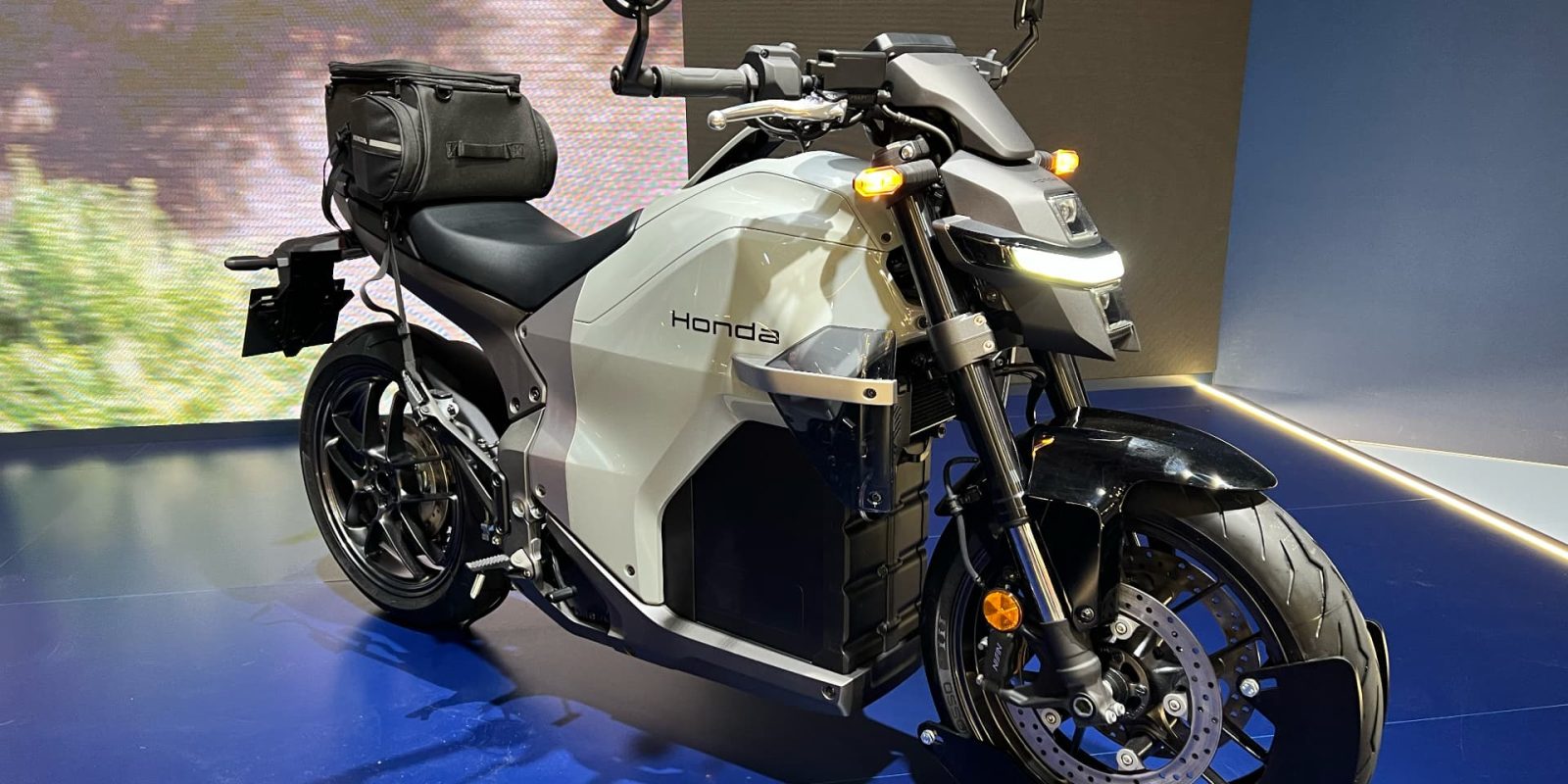
Each of the big four has rolled out at least one production electric model. Honda launched the BENLY e: series of commercial scooters and the PCX Electric in select markets. Yamaha introduced the E01 electric scooter and the E-Vino for urban commuting. Kawasaki unveiled the Ninja e-1 and Z e-1, both styled after their iconic gasoline bikes but with electric powertrains. Suzuki debuted the Burgman Electric scooter in India and the e-Access concept. These models are currently aimed at commuters and fleet operators rather than performance enthusiasts, but they lay the foundation for a broader lineup.
How are Japanese manufacturers building the infrastructure for mass electric motorcycle production?
These companies aren't just designing bikes—they're constructing entire production ecosystems. Honda announced a dedicated electric motorcycle factory in China, set to start production in 2024, with an annual capacity of over 1 million units. Yamaha collaborated with several battery suppliers to secure cell supply and is expanding its EV component manufacturing in India and Japan. Kawasaki committed to a 1 billion yen investment in a new electric motorcycle assembly line at its Akashi plant. Suzuki partnered with Toshiba and Denso for lithium-ion battery production in India. This infrastructure push ensures they can scale quickly once demand surges.
What is the timeline for Japanese manufacturers to transition to fully electric lineups?
The timelines vary by brand but share a clear direction. Honda aims to have electric models account for 15% of its motorcycle sales by 2030 and 80% by 2040. Yamaha targets 20% of its sales to be electric by 2030, ramping to 90% by 2050. Kawasaki plans to launch 10 electric models globally by 2025 and reach a 50% electrified lineup by 2035. Suzuki has set 2030 as the year for launching its first mass-market electric motorcycle, with full electrification by 2050. These are aggressive yet achievable milestones, backed by substantial R&D budgets and strategic partnerships.
Why are Japanese motorcycle giants focusing on affordable electric scooters first rather than premium superbikes?
The logic is rooted in market reality and battery technology. Scooters dominate sales in Asia, which is the largest and fastest-growing EV two-wheeler market. Producing low-cost, lightweight electric scooters allows manufacturers to achieve economies of scale, test battery tech, and build customer trust. Moreover, superbikes require much larger, heavier, and more expensive battery packs, which are harder to profitably produce at current lithium-ion prices. By starting with scooters and commuter bikes, companies like Honda and Yamaha can refine their electric drivetrains and charging solutions before investing in high-performance models.
How are Japanese brands differentiating their electric motorcycle strategies from Western competitors?
While Western startups like Zero Motorcycles and LiveWire focus on premium performance and direct sales, Japanese firms prioritize volume, affordability, and ecosystem integration. They leverage established global dealership networks, cross-brand parts sharing, and joint ventures for battery production. For example, Honda's e: Swap battery-swapping system can be adopted by multiple scooter makers, reducing cost. Yamaha and Kawasaki jointly developed a standardized swappable battery standard. This cooperative, infrastructure-first approach contrasts with the Western focus on high-spec hardware and software features. Japanese brands also emphasize durability and reliability—hallmarks of their gasoline motorcycles.

What role do battery-swapping and charging networks play in Japanese electric motorcycle plans?
Battery-swapping is central to the Japanese strategy, especially for urban commuters. Honda leads with its Mobile Power Pack e: swappable battery system, already deployed in parts of Japan, India, and Southeast Asia. Yamaha, Kawasaki, and Suzuki have joined Honda's Gachaco battery-swapping consortium, aiming to standardize battery modules across brands. This interoperability reduces range anxiety and infrastructure costs. Meanwhile, for larger bikes, companies are investing in fast-charging corridors. Kawasaki, for instance, is developing a CCS2 fast-charging system for its upcoming electric sportbikes. The combination of swap-and-charge solutions ensures coverage for diverse riding needs.
What challenges do Japanese motorcycle manufacturers face in the electric transition?
Three main hurdles stand out: Battery cost and supply, consumer sentiment, and profit margins. Lithium, cobalt, and nickel prices remain volatile, and securing long-term supply contracts is tough. Additionally, many traditional motorcycle enthusiasts, especially in the U.S. and Europe, are attached to the sound and feel of ICE engines. Converting them requires not just performance parity but also emotional appeal. Finally, electric motorcycles have lower margins than gasoline ones due to high battery costs. Japanese firms must innovate in manufacturing efficiency and battery tech to maintain profitability. However, their scale and experience in lean manufacturing give them a solid foundation to overcome these obstacles.
When can we expect Japanese-made high-performance electric superbikes to hit the market?
Kawasaki is likely the first among the Japanese Big Four to launch a true electric superbike. Their Ninja e-1 is already in production, and they've shown prototypes of a higher-performance EV sportbike expected around 2025–2026. Honda has hinted at a production version of the CB1100R-EV concept, possibly by 2027. Yamaha has the YZF-R1e in development, with a 2026 target. Suzuki is less committal but is believed to be working on an GSX-S1000EV concept. All four recognize the growing demand for electric performance machines, especially in markets with emission bans on combustion bikes. But they are careful to ensure the range, weight, and price are competitive before launch.